The heyday of climate action suddenly feels stuck in the rearview mirror. For well over a decade, the climate movement won significant victories as the country painstakingly shifted towards solar panels and wind turbines and pivoted away from oil, gas, and coal. Now, just in the past year and a half, the Trump administration has repealed the 2009 greenhouse gas endangerment finding, fired hundreds of employees at the Environmental Protection Agency (EPA), Federal Emergency Management Agency (FEMA), and National Oceanic and Atmospheric Administration (NOAA), and violated international law to further enable U.S. access to oil. The country feels like it’s taking two steps back. What went wrong?
Well, first, it’s hard to prioritize carbon emissions right now. Skyrocketing costs of living have reached a boiling point. Many people struggle to pay next month’s rent or upcoming utility bills. In response, people’s appetite for solving climate change has plummeted. Politician speeches and media narratives have shifted away from climate to focus on the more relevant issue: affordability. Many decision makers even argue that existing environmental protections, labeled as “green tape,” have worsened the affordability crisis by increasing costs for building homes and infrastructure.
As tides change to favor affordability politics, the people who drive the mainstream climate movement need to take a hard look in the mirror. Buoyed by the uplifting winds of its past success, the mainstream climate movement has not yet had to reckon with a deflating agenda. The movement cannot return to its former glory by trying to beat affordability politics. Rather, the climate movement must center affordability politics in its vision for the future. Many people fail to grasp that the fight for climate and the fight for affordability is the same fight. Both are a battle against capitalism and corporate greed. The sooner the climate movement recognizes that a world that is affordable is also one that is sustainable, the sooner the movement will make real progress again.
In this post, I unpack three issues core to the affordability crisis: jobs, energy, and housing. I embarked on the crucial exercise to imagine solutions that do two things—make life more affordable for people and create a more sustainable society.
JOBS
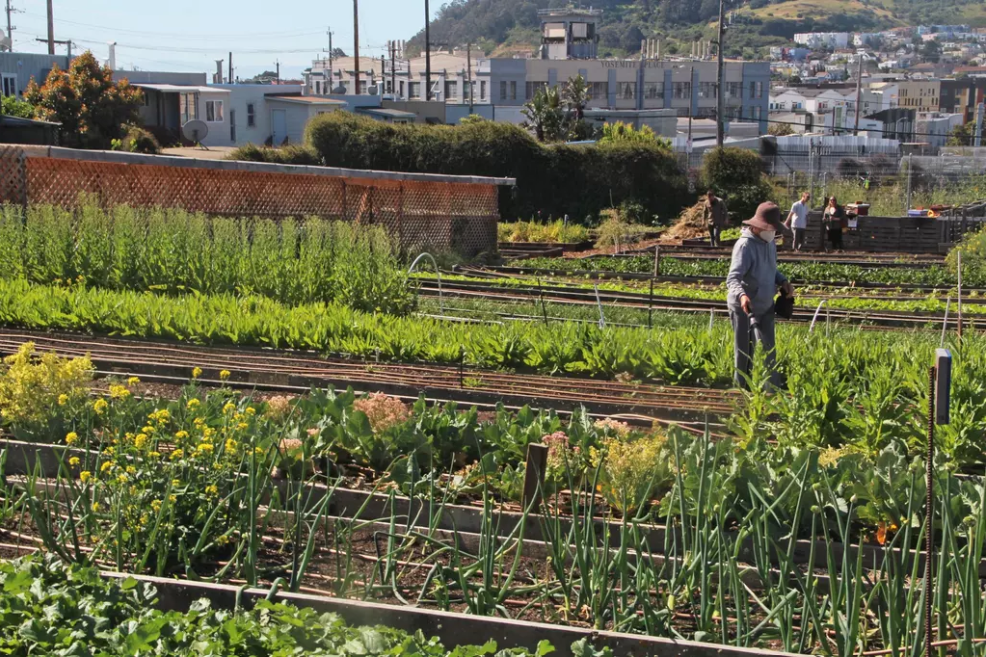
To alleviate the affordability crisis, people will need stable jobs that pay a living wage. Why not pay people to work closer with nature and with community? Every year, Americans already work millions of hours of unpaid labor in food pantries and senior centers. In National Parks, there are over 315,000 volunteers, compared to 23,000 paid staff.
In A Planet to Win: Why We Need A Green New Deal, the authors suggest a “universal job guarantee,” a federal policy where the government offers living wages for public-benefit work. In the 1930s, Franklin D. Roosevelt created a “universal job guarantee” program through the Civilian Conservation Corps, which employed more than 3 million people. Members fought forest fires, implemented flood control, and provided disaster relief. In our national parks, members built and maintained the thousands of miles of hiking trails that we all enjoy today.
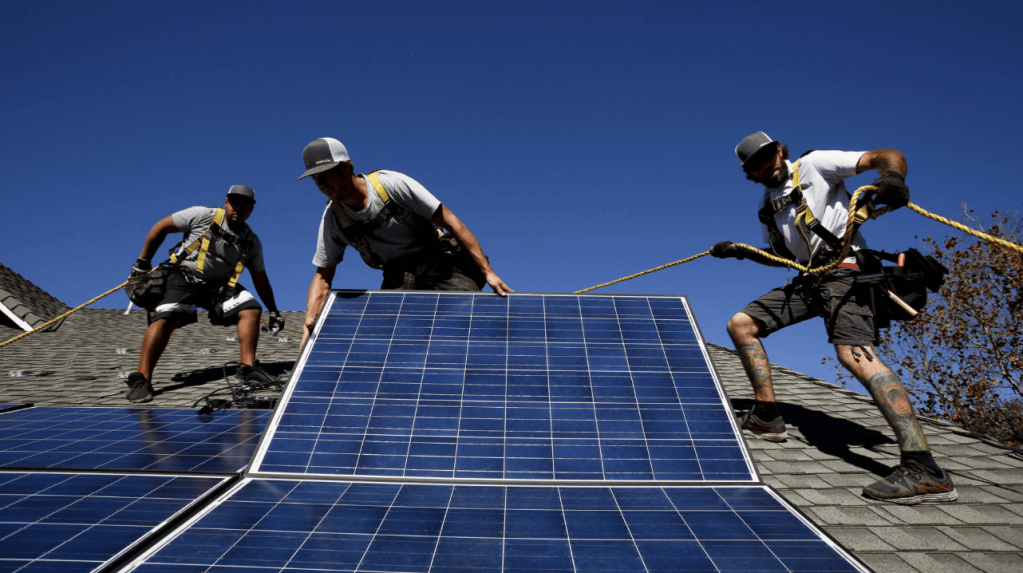
A green industrial policy could recreate a new Civilian Conservation Corps that employs people to grow food, restore natural ecosystems, and build solar and wind energy. Volunteers are already doing much of the work. All we need to do is pay them. By paying them, we invest in the seeds of a more sustainable economy and ensure its long-term stability for years to come.
ENERGY
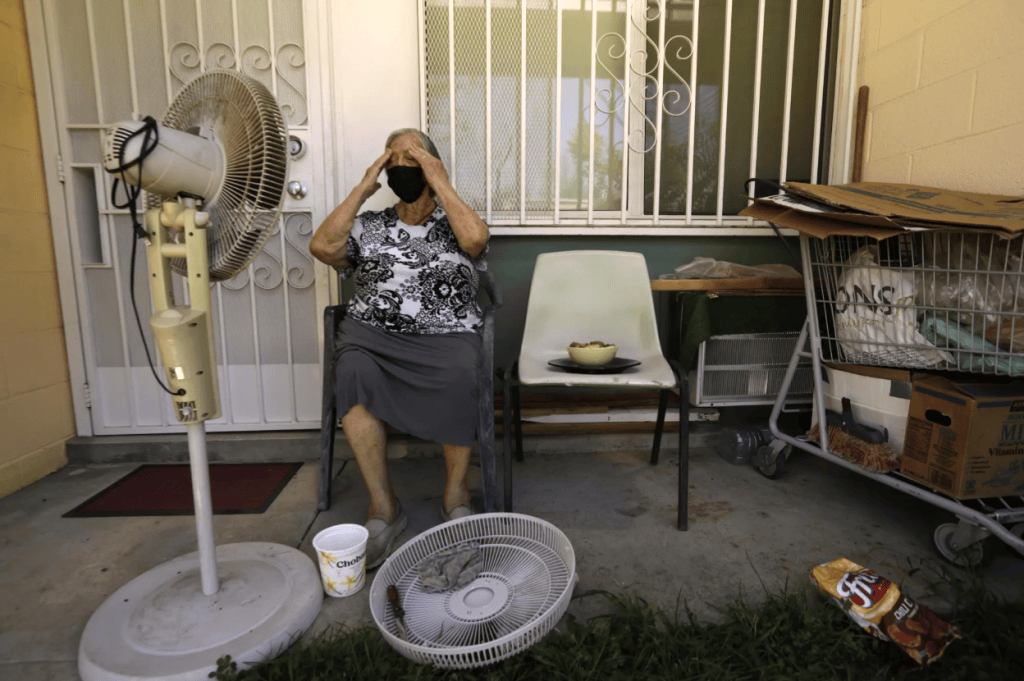
Today, just after a hot El Niño summer, people’s gripes about their energy bills feel even more urgent. For decades, multi-national oil and gas companies and investor-owned utilities have run the energy industry. Each of them, in their own way, has contributed to the affordability crisis we face right now.
In the 1970s and 1980s, oil and gas companies hid the truth about climate change even when they discovered the impacts of rising carbon emissions on our planet. Today, those same companies refuse to take accountability for their contributions to climate change. Multi-national oil and gas companies sacrificed the planet for profit. Now, the rest of us are stuck with the bill.
As for those who manage our energy, investor-owned utilities (IOUs), such as PG&E in California, mostly run the show. IOUs follow a business model that requires them to prioritize profit for their shareholders. As a result, average utility bills for customers in California have increased between 48% to 67% over the past several years. Those same IOUs, in order to maintain their profits, have also actively campaigned to delay the transition away from coal, oil, and gas.
The private market, run by multi-national oil and gas companies and IOUs, created both the climate crisis and the affordability crisis. While symptoms look different, the root cause for both crises is the same.
A real solution to solve both crises should be to transition utilities to a democratically-run public ownership model. Public ownership means that we, the ratepayers, would have a voice in the decision-making process. We could directly hold the utility accountable and ensure they have our best interests at heart.
HOUSING
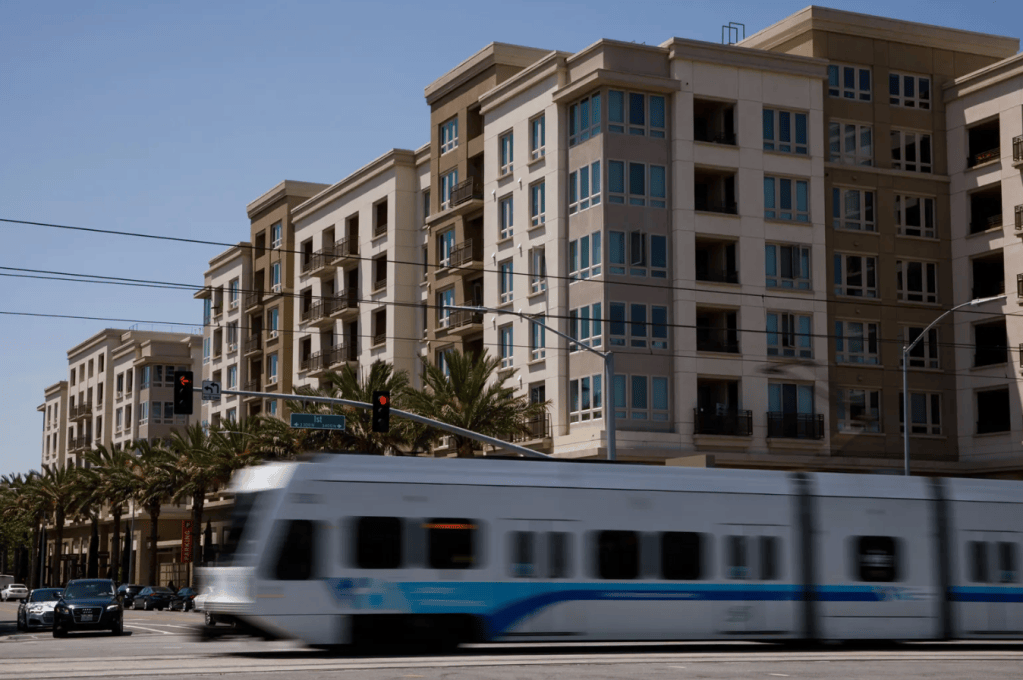
Cities across the U.S. face unaffordable housing costs. The building industry in many cities still constructs single-family homes and suburban sprawl, which is now outdated. Denser apartment buildings and townhomes can limit carbon footprints while also bringing the cost for housing down.
Suburban development is often more expensive to build than high density development because sprawl requires the construction of new public infrastructure. For example, in Hayward, CA, a proposed suburban community of 74 single-family homes will require an additional $6 million in new roads, sidewalks and electrical work. In contrast, high density apartments are typically built in urbanized areas where public infrastructure already exists.
Suburban development is also well known to generate more carbon emissions than high density development because sprawl increases people’s reliance on cars. In contrast, dense housing creates communities where people can walk, bike, or take transit to access services and jobs. High density, mixed income, and working-class neighborhoods near public transit, anchored by public housing, can be good to live in, more affordable, with smaller carbon footprints.
No, the climate movement is not dead. At least not yet. Recent polling from California EnviroVoters has shown that people are still supportive of climate policy, despite backtracking by politicians.
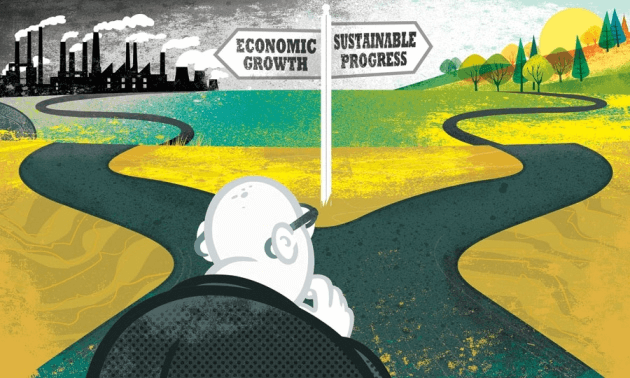
However, if the climate movement is not dead, it is most certainly at an existential crossroads. The next road chosen will be crucial. Can the movement boldly reimagine itself and pioneer new solutions to the affordability crisis? Or will it fail to evolve from its traditional set of policies and instead stubbornly fade into the past?
If the climate movement is to survive, the politicians, non-governmental organizations, and everyday voters who drive its success urgently need to refocus on a green industrial policy that delivers on both affordability and climate. A holistic view challenges us to consider how a jobs program can be a solution to climate change, and how housing density can support low-carbon living. Many people strongly believe that climate policy needs to hold corporate interests accountable. For voters, accountability for oil and gas companies is essential to ensure we aren’t stuck with the climate bill.
Can the movement that captured lightning in a bottle now stand the test of time? If the climate movement fails to reimagine itself and implement policy that centers affordability, it will lose popular support. The way the climate movement delivers a vision for the future is by doing two things— making life more affordable for people and creating a more sustainable society.
Sustainability cannot be achieved without affordability, that much is clear.
What’s your email? Stay updated when a new blog post is published!



Leave a comment